
Written by Dr Elaine O’Connor-Haq, MB BCh BAO, MPharm, L7Dip(Aes)
Medical Aesthetics Doctor and founder of Bespoke Medical Aesthetics, Colchester
Interest in aesthetic treatments has grown significantly in recent years. For patients considering treatment at a skin clinic in Colchester, understanding how to choose a reputable clinic is an important step in ensuring both safety and appropriate outcomes.
While many aesthetic treatments are widely available, the quality of care can vary considerably between clinics. Factors such as practitioner training, consultation standards and ethical treatment planning play an important role in both safety and long-term results.
Taking time to understand what distinguishes a reputable clinic can help patients make informed decisions and feel more confident about their care.
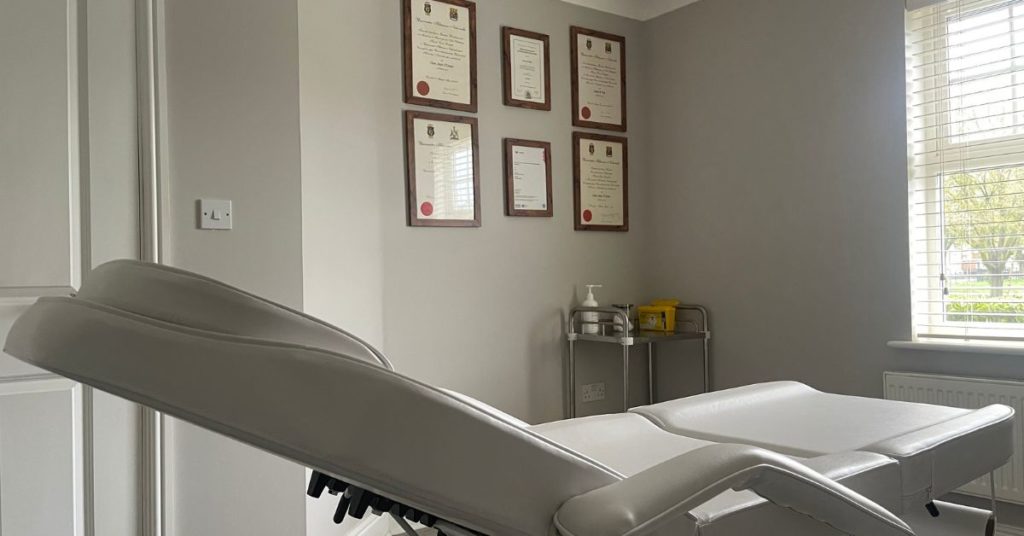
Why Medical Training Matters When Choosing a Skin Clinic
Aesthetic treatments often involve prescription medicines, such as botulinum toxin type A, or injectable procedures that require a detailed understanding of facial anatomy, skin physiology and potential complications.
Clinics led by medically trained practitioners typically have a deeper understanding of:
- Facial anatomy and vascular structure
- Skin ageing and tissue behaviour
- Safe injection techniques
- Recognition and management of complications
Medical oversight also allows for treatments to be integrated into a broader understanding of overall skin health rather than focusing only on isolated procedures.
Understanding Credentials and Professional Regulation
Patients considering aesthetic treatments often struggle to know which practitioners are safe and qualified. In the UK, medical professionals are subject to regulation by official bodies, most notably the General Medical Council, which ensures that doctors meet rigorous professional standards and are accountable for clinical practice.
Regulation is crucial because aesthetic procedures, particularly injectables or prescription-based treatments, carry inherent risks if performed by someone without appropriate medical training. Recognising whether a practitioner is insured, regulated, and ethically accountable helps patients distinguish between clinicians who provide safe, evidence-based care and those whose training may be insufficient.
Professional oversight is therefore not just a formality but also a key safeguard for patient safety, treatment quality, and ethical practice.
What Qualifications Should an Aesthetic Practitioner Have?
Once patients understand the importance of regulation, it is helpful to know what specific qualifications indicate expertise in aesthetic medicine.
Medically trained practitioners often pursue postgraduate diplomas in aesthetic medicine, such as a Level 7 Diploma, which provides advanced training in anatomy, patient assessment, treatment planning, and complication management. Currently, the Level 7 Diploma is the highest qualification within the field of Medical Aesthetics. Memberships in professional bodies such as the British College of Aesthetic Medicine or the Joint Council for Cosmetic Practitioners demonstrate ongoing commitment to professional development, evidence-based practice, and adherence to ethical standards.
Patients should also confirm that practitioners carry professional indemnity insurance for aesthetic treatments. Together, these qualifications and memberships provide tangible reassurance that the clinician has the expertise, training, and accountability required to deliver safe and effective care.
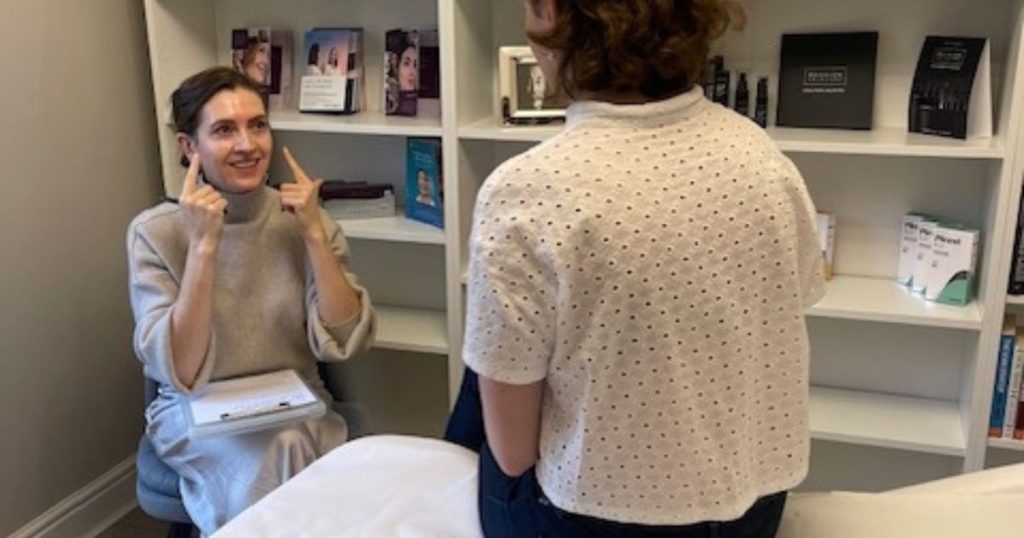
How Do I Know If an Aesthetic Clinic Is Safe?
Patients considering aesthetic treatments often ask how they can determine whether a clinic is operating safely.
Some practical indicators include:
- The practitioner is appropriately qualified and professionally registered
- A full consultation is offered before treatment
- Potential risks and alternatives are clearly discussed
- Treatments are not rushed or pressured
- The clinic maintains appropriate insurance and clinical governance
Patients should always feel comfortable asking questions about training, experience and safety protocols before proceeding with treatment.
Consultation Before Treatment
A reputable clinic will prioritise a detailed consultation before recommending treatment. A proper consultation should include:
- Discussion of concerns and goals
- Medical history review
- Assessment of skin health and facial structure
- Explanation of treatment options and limitations
In some cases, the most appropriate advice may be to delay treatment or consider alternative approaches. Ethical aesthetic practice places careful assessment ahead of immediate procedures.
Evidence-Based Treatments
The aesthetic industry evolves rapidly, with new treatments frequently entering the market. While innovation can be valuable, reputable clinics tend to prioritise treatments supported by clinical evidence and recognised standards of care, reflecting the broader principles of evidence-based medicine promoted by organisations such as the National Institute for Health and Care Excellence. Patients should feel confident that recommended treatments are based on:
- Established clinical evidence
- Appropriate patient selection
- Realistic expectations
A Holistic Approach to Skin Ageing
Ageing of the skin and face is influenced by many factors including:
- Genetics
- Ultraviolet exposure
- Inflammation
- Hormonal changes
- Lifestyle factors such as sleep, nutrition and stress
A comprehensive approach to aesthetic care considers these broader influences rather than focusing only on individual procedures. Supporting skin health over time often involves a combination of lifestyle optimisation, appropriate skincare and carefully selected treatments.
Choosing a skin clinic is an important decision that should be guided by safety, clinical expertise and ethical practice.
Taking time to understand practitioner training, consultation standards and treatment philosophy can help patients ensure that any aesthetic treatments are appropriate, safe and aligned with their long-term skin health.
To ensure any aesthetic treatment or skincare plan is safe, effective, and tailored to your skin’s current needs, patients can book a personalised, doctor-led medical skin consultation at Bespoke Medical Aesthetics in Stanway, Colchester.
Further Questions Patients Often Ask
What qualifications should an aesthetic practitioner have?
Patients should look for practitioners who have undertaken recognised postgraduate training in aesthetic medicine and who are registered with an appropriate professional regulator.
Is it important for a clinic to offer a consultation before treatment?
Yes. A thorough consultation allows the practitioner to assess medical history, skin condition and treatment suitability before recommending any procedure.
Are aesthetic treatments regulated in the UK?
Some aesthetic treatments are regulated when performed by medical professionals, particularly where prescription medications are involved. Patients should ensure their practitioner is appropriately qualified and insured.
How do I choose the right skin clinic?
Patients should consider practitioner training, consultation standards, treatment philosophy and whether the clinic prioritises patient safety and evidence-based practice.
Sources and Further Reading
General Medical Council (2024) The medical register and regulation of doctors in the UK. Available at: https://www.gmc-uk.org (Accessed: 7 March 2026).
British College of Aesthetic Medicine (2024) About the British College of Aesthetic Medicine and professional standards in aesthetic practice. Available at: https://www.bcam.ac.uk (Accessed: 7 March 2026).
Joint Council for Cosmetic Practitioners (2024) Standards for cosmetic practice in the United Kingdom. Available at: https://www.jccp.org.uk (Accessed: 7 March 2026).
Health Education England (2016) Qualification requirements for non-surgical cosmetic procedures. Available at: https://www.hee.nhs.uk (Accessed: 7 March 2026).
National Institute for Health and Care Excellence (2023) Evidence-based clinical guidance and standards for healthcare practice in the UK. Available at: https://www.nice.org.uk (Accessed: 7 March 2026).
Save Face (2024) Guidance on choosing a safe aesthetic practitioner. Available at: https://www.saveface.co.uk(Accessed: 7 March 2026).