
The Rise of Skin Boosters in Modern Aesthetics
As we age, our skin gradually loses collagen, elastin and hyaluronic acid — the molecules responsible for firmness, hydration and radiance. Fine lines deepen, texture becomes uneven, and luminosity fades.
In recent years, skin boosters have transformed the field of non-surgical aesthetics. Unlike traditional dermal fillers, which add volume and contour, skin boosters focus on improving the quality of the skin itself, boosting hydration, elasticity and overall glow. At Bespoke Medical Aesthetics in Colchester, we specialise in evidence-based injectable treatments such as Profhilo, SkinVive, Polynucleotides, Sunekos and HArmonyCa, designed to restore natural radiance without altering your facial expression.
What Are Skin Boosters?
Skin boosters are injectable treatments that deliver hydrating and bio-stimulating ingredients directly into the skins dermis. They revitalise the skin from within, improving tone, texture and elasticity.
Unlike fillers, which restore lost volume, boosters act as injectable skincare. They work by stimulating fibroblasts, the skin cells that produce collagen and elastin, and by attracting water molecules to maintain deep hydration.
In aesthetic medicine, this process is often called bioremodelling, meaning the structural and functional renewal of the skin’s extracellular matrix.
The Science Behind Skin Boosters
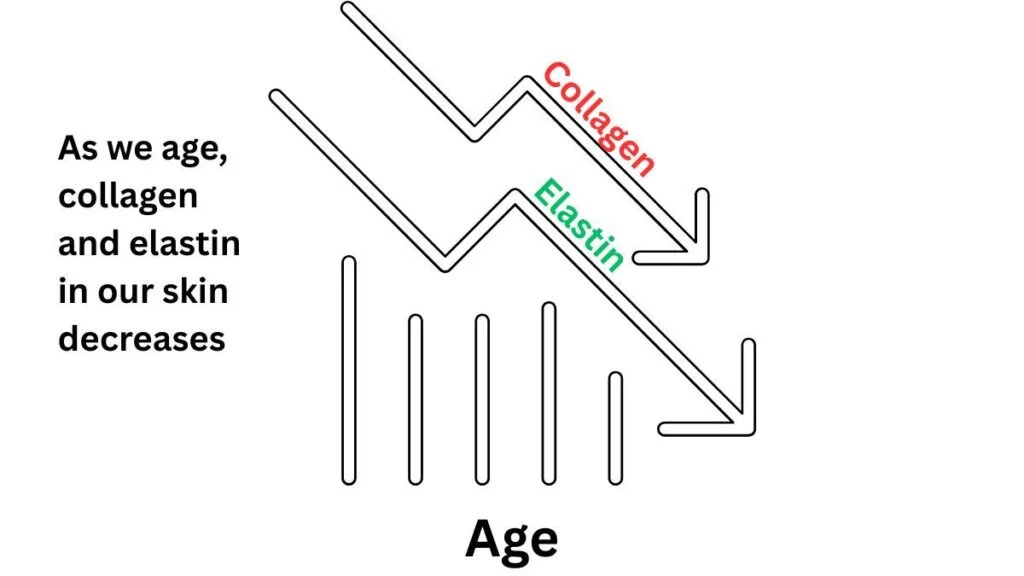
From our late twenties, the biological ageing process begins to show beneath the surface. The skin gradually loses its structural proteins, collagen and elastin, at an estimated rate of around 1% per year (Ganceviciene et al., 2012). At the same time, the natural production of hyaluronic acid, which helps maintain hydration and volume, starts to decline.
This reduction in key molecules has a compounding effect. The fibroblasts, which are the dermal cells responsible for producing collagen, elastin and hyaluronic acid, become increasingly dormant with age. As their metabolic activity slows, the skin becomes thinner and less resilient. Clinically, this manifests as dullness, dehydration, crepiness and loss of elasticity, often most visible around the eyes, cheeks and neck.
Environmental factors, including UV exposure, stress, poor sleep and pollution, accelerate this breakdown of the extracellular matrix. Over time, the skin loses its ability to reflect light evenly, leading to a tired or lacklustre appearance.
This is where skin boosters provide a scientifically grounded solution. By delivering hyaluronic acid, polynucleotides or bio-stimulatory substances directly into the dermis, they help reactivate dormant fibroblasts and replenish the skin’s hydration reservoir. The result is improved collagen synthesis, increased elasticity, and visibly more radiant, supple skin.
Clinical studies have demonstrated measurable improvements in dermal hydration, firmness and overall texture after treatment with hyaluronic acid–based or polynucleotide injectables (Lampridou et al., 2024; Lee et al., 2024; Choi et al., 2020).
The Skin Boosters We Offer at Bespoke Medical Aesthetics
Profhilo® – The Original Bio-remodeller
Profhilo contains one of the highest concentrations of purified hyaluronic acid on the market, without cross-linking agents such as BDDE. It spreads uniformly beneath the skin, stimulating collagen and elastin while deeply hydrating.
Treatment course:
A treatment course of two sessions, spaced four weeks apart, are typically recommended for optimal results on the face, neck, bingo wings (arms), back of hands, tummy area or décolletage. The first session provides intense hydration, while the second boosts the effects by stimulating collagen and elastin production.
SkinVive™ by Juvéderm – The Injectable Moisturiser
SkinVive focuses on improving skin smoothness and glow. It uses microdroplets of hyaluronic acid to enhance hydration and luminosity rather than adding structure. It’s an ideal entry-level option for patients seeking refreshed, glowing skin without altering facial contours.
Treatment course:
A treatment course usually involves one treatment with results being reported to last up to 9 months.
Polynucleotides – Regeneration from Within
Polynucleotides (PNs) are naturally derived DNA fragments derived from salmon or trout which are purified. They that act as biocompatible scaffolds for tissue repair. They stimulate fibroblast activity resulting in the natural production of collagen, elastin, and hyaluronic acid. They also help improve microcirculation, and have antioxidant properties that neutralise free radicals.
They are particularly effective for tired, dull or inflamed skin, and can support recovery from acne or stress-related damage (Choi et al., 2020). They are popular for the under-eye area, face, neck, and décolletage.
Treatment course:
The Initial course consists of 3-4 sessions every 2-3 weeks with initial improvements typically visible within 2-3 weeks after the first treatment and full effect noticeable by around 3 months, as the treatment continues to work in the skin for up to 12 weeks. After the initial course, one session every 4–6 months is often recommended to maintain results.
HArmonyCa™ – Lift and Stimulate
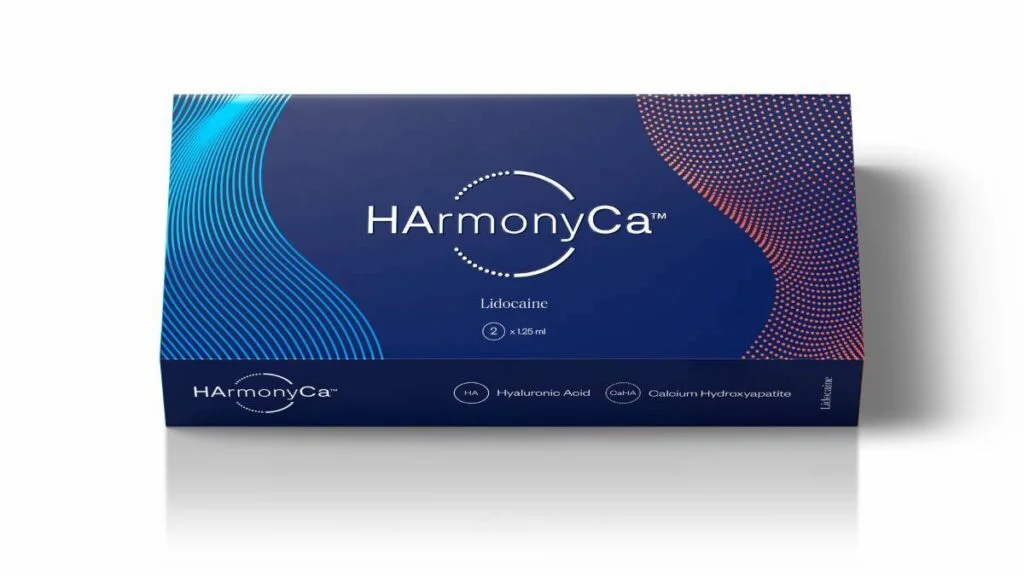
HArmonyCa combines hyaluronic acid for immediate hydration and lift with calcium hydroxyapatite microspheres for long-term collagen stimulation. It provides subtle structural lift alongside skin quality improvement — making it ideal for mid-face rejuvenation where both firmness and radiance are desired.
Treatment course:
A treatment course usually requires just one treatment with results potentially lasting up to 2 years. You will notice a subtle initial lift due the hyaluronic acid and after 3 months, you will begin to see the initial results of collagen stimulation which will continue to improve over time.
Sunekos®
At Bespoke Medical Aesthetics, we’re excited to introduce Sunekos®, an innovative injectable that combines hyaluronic acid with a patented blend of six amino acids. This unique formulation supports fibroblast activity, stimulating four types of collagen (types I, III, IV and VII) and elastin production while improving skin hydration and texture. Sunekos® is particularly suited for delicate areas such as under the eyes, neck, and décolletage, where skin can appear thin or crepey. Its regenerative action helps restore natural elasticity and luminosity, offering subtle, biologically driven rejuvenation.
Exosomes / Purosomes™ (Coming Soon)
We also plan to offer Exosome-based skin rejuvenation (Purosomes™). This is a part of the latest generation of cell-to-cell communication therapies in aesthetic medicine. Exosomes are naturally occurring vesicles derived from stem cells that play a crucial role in cell regeneration, repair, and signalling. When applied post-procedure or combined with treatments such as microneedling or laser, they can enhance recovery, reduce inflammation, and improve overall skin tone and texture. This emerging treatment represents a cutting-edge approach to regenerative aesthetics, complementing our clinic’s evidence-based and science-led ethos.
If you’d like to be the first to know when Sunekos® and Exosome (Purosomes™) treatments become available at our Colchester clinic, you can register your interest here.
Who Can Benefit from Skin Boosters?
Skin boosters are suitable for men and women in their 30s to 60s who notice early signs of dehydration, laxity or dullness.
They are an excellent choice for those wanting a natural, refreshed look without resorting to filler volume.
If your goal is radiant, smooth and hydrated skin, these treatments offer evidence-based results with minimal downtime.
Treatment Process and What to Expect
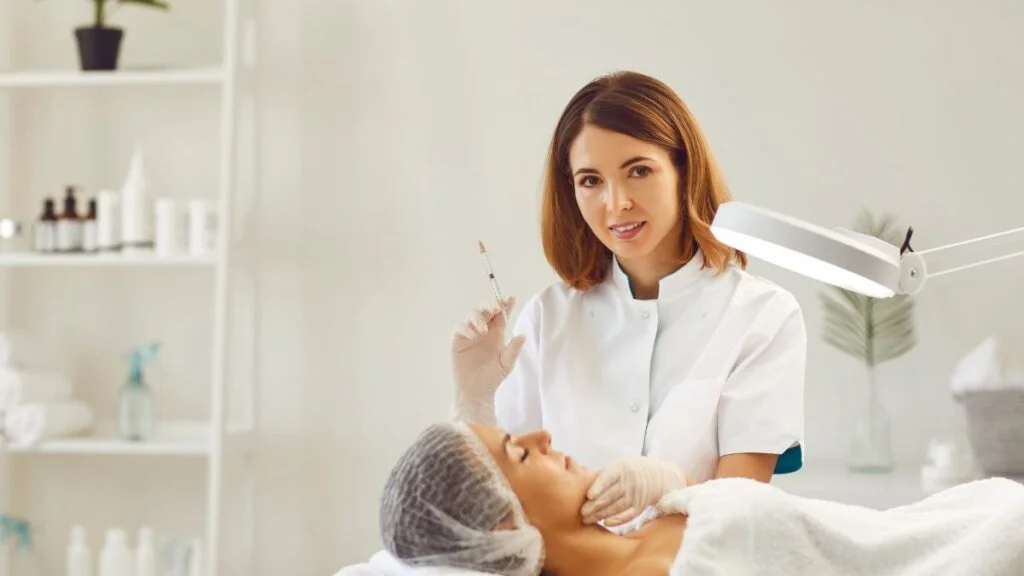
Each treatment begins with a medical consultation to assess your skin health and suitability. Tiny injections deliver the booster evenly across the treatment area. Mild redness or swelling can occur but typically resolves within 24–48 hours.
Results develop gradually as collagen and elastin rebuild, with optimal improvements visible after 4–6 weeks. Maintenance sessions are usually advised every 6–12 months.
Choosing the Right Skin Booster
Selecting the right skin booster at our Colchester clinic depends on your skin condition, treatment goals and lifestyle.
At Bespoke Medical Aesthetics, all injectables are performed by a qualified medical doctor, ensuring your treatment plan is both safe and scientifically sound.
During consultation, we may recommend combining boosters with medical-grade skincare, anti-wrinkle injectables or bio-stimulatory injectables for enhanced, long-term results.
Evidence-Based Benefits and Patient Safety
While skin boosters offer impressive results when performed correctly, the safety and success of any injectable treatment depend on the practitioner’s training, clinical standards and ethical approach.
It’s essential that patients do their own due diligence before choosing an aesthetics provider. The NHS provides guidance on cosmetic procedures, including what to look for in a qualified practitioner and how to verify credentials.
At Bespoke Medical Aesthetics, all treatments are carried out by a medical aesthetics doctor who is:
- Registered with the General Medical Council (GMC)
- Qualified with a Level 7 Diploma in Aesthetic Medicine from Harley Academy
- Fully insured by Hamilton Fraser
- Registered with the Joint Council for Cosmetic Practitioners (JCCP)
This ensures that every procedure follows medical-grade standards of safety, professionalism and evidence-based practice, in line with current UK aesthetic regulations.
By combining scientific understanding with medical integrity, our approach prioritises your wellbeing as much as your results — helping you achieve naturally healthy, radiant skin with complete confidence.
Ready to Discover the Right Skin Booster for You?
At Bespoke Medical Aesthetics in Colchester, we take an individualised, medical approach to skin health, ensuring your treatment is safe, evidence-based and tailored to your needs.
Book your consultation to find out which skin booster/ bio-remodeller, Profhilo, SkinVive, Polynucleotides, Sunekos, or HArmonyCa is right for your skin.
FAQs About Skin Boosters
Q1: What’s the difference between a skin booster and a filler?
Fillers restore lost volume and contour, whereas boosters focus on skin texture, hydration and radiance.
Q2: How long do skin booster results last?
Most treatments last 6–12 months, depending on the product used and your individual skin metabolism.
Q3: Is there any downtime after my Skin booster injection?
There is minimal downtime with only mild redness or swelling for up to 48 hours; makeup can usually be applied the next day.
Q4: Are skin boosters safe?
Yes — when performed by a medical professional using approved products in a clinical setting.
Q5: Can skin boosters be combined with other treatments?
Absolutely. Many clients combine boosters with toxins, microneedling or medical-grade skincare for a comprehensive rejuvenation plan.
References:
- Broder, K., & Cohen, S. (2017). ‘Use of calcium hydroxyapatite for facial rejuvenation’. Journal of Drugs in Dermatology, 16(9), 915–922.
- Cavallini, M., et al. (2017). ‘Evaluation of the bio-remodelling effect of a new injectable hyaluronic acid’. Journal of Plastic Dermatology, 13(3), 286–295.
- Choi, S. Y., et al. (2020). ‘Safety and efficacy of polynucleotide injections in facial rejuvenation’. Archives of Aesthetic Plastic Surgery, 26(2), 79–85.
- Ganceviciene, R., Liakou, A.I., Theodoridis, A., Makrantonaki, E. and Zouboulis, C.C., 2012. ‘Skin anti-aging strategies’. Dermato-Endocrinology, 4(3), pp.308–319. doi:10.4161/derm.22804. Available at: https://pmc.ncbi.nlm.nih.gov/articles/pmid/23467476/ [Accessed 3 November 2025].
- Hwang, K., et al. (2021). ‘Mechanisms of collagen stimulation by calcium hydroxyapatite fillers’. Plastic and Reconstructive Surgery, 147(2), 451e–460e.
- Lampridou, S., Bassett, S., Cavallini, M. and Christopoulos, G., 2024. ‘The effectiveness of polynucleotides in esthetic medicine: a systematic review’. Journal of Cosmetic Dermatology, 24(2), p.e16721. doi:10.1111/jocd.16721. Available at: https://pmc.ncbi.nlm.nih.gov/articles/pmid/39645667/ [Accessed 4 November 2025].
- Lee, K.W.A., Chan, K.W.L., Lee, A., Lee, C.H., Wan, J., Wong, S. and Yi, K.-H. (2024) ‘Polynucleotides in aesthetic medicine: A review of current practices and perceived effectiveness’, International Journal of Molecular Sciences, 25(15), p. 8224. doi:10.3390/ijms25158224. Available at: https://pmc.ncbi.nlm.nih.gov/articles/PMC11311621/ [Accessed: 4 November 2025].