



Chemical peels are one of the most established and scientifically validated treatments in aesthetic medicine. Using advanced formulations from Neostrata, these treatments are designed to gently yet effectively resurface the skin, improving tone, texture, clarity, and overall skin quality with minimal downtime.
What Is a Chemical Peel?
A chemical peel is a controlled skin-resurfacing treatment that uses carefully selected acids to exfoliate the outer layers of the skin. This process stimulates cellular renewal, enhances skin function, and promotes a fresher, more refined complexion.
Modern medical peels are not “harsh” treatments. When selected and applied correctly, they are predictable, safe, and highly effective tools for improving skin health.
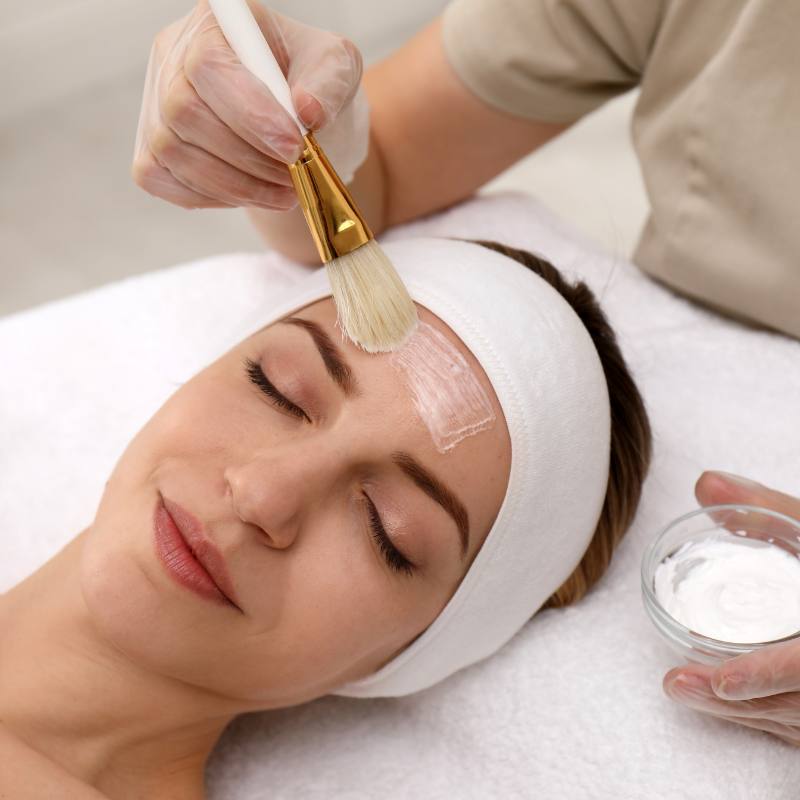
What Concerns Can Chemical Peels Address?
Chemical peels are particularly beneficial for:
- Uneven skin tone and dullness
- Fine lines and early photoageing
- Acne and congestion
- Post-inflammatory pigmentation
- Sun damage
- Rough skin texture
- Mild to moderate hyperpigmentation
Chemical peels are frequently incorporated into a broader skin consultation and may be combined with medical-grade skincare or complementary skin quality treatments.
Depending on clinical indication, regenerative or skin-hydrating procedures such as polynucleotides, Sunekos, Skinvive, or Profhilo may also be considered as part of a comprehensive skin optimisation strategy.
Treatment combinations are guided by skin physiology, barrier function, and therapeutic response rather than fixed protocols.
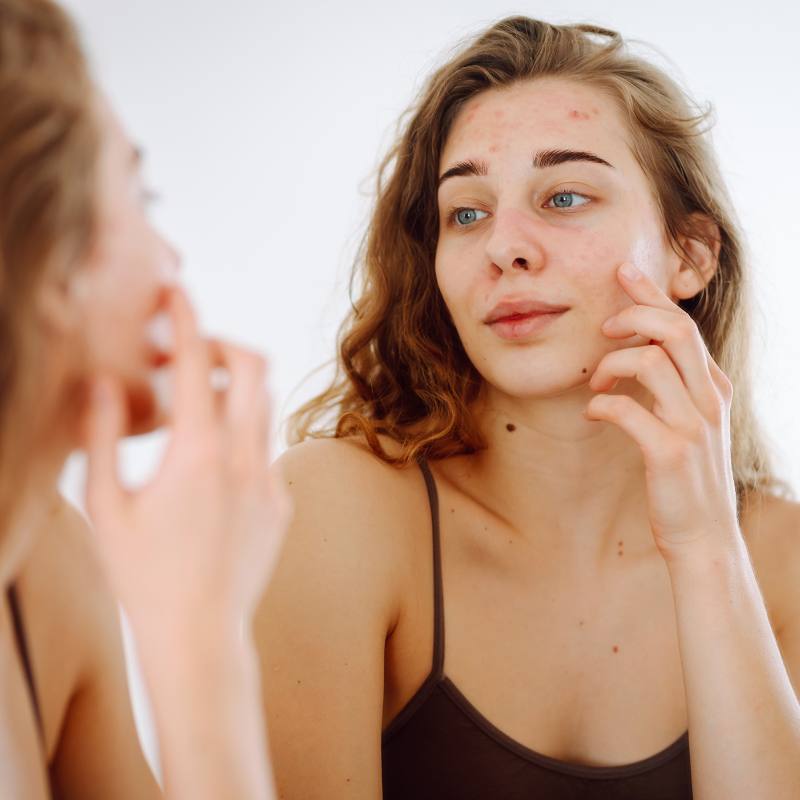
Who Is Suitable for Treatment?
Chemical peels are suitable for many skin types and ages, but treatment selection is always individualised.
You may be a good candidate if you:
- Wish to improve skin clarity and radiance
- Have pigmentation irregularities or acne-prone skin
- Prefer gradual, progressive skin improvement
- Are seeking a low-downtime treatment
Peels may be deferred in cases of active skin infection, certain inflammatory skin conditions, pregnancy, or recent aggressive treatments. A full consultation ensures safety and appropriate selection.
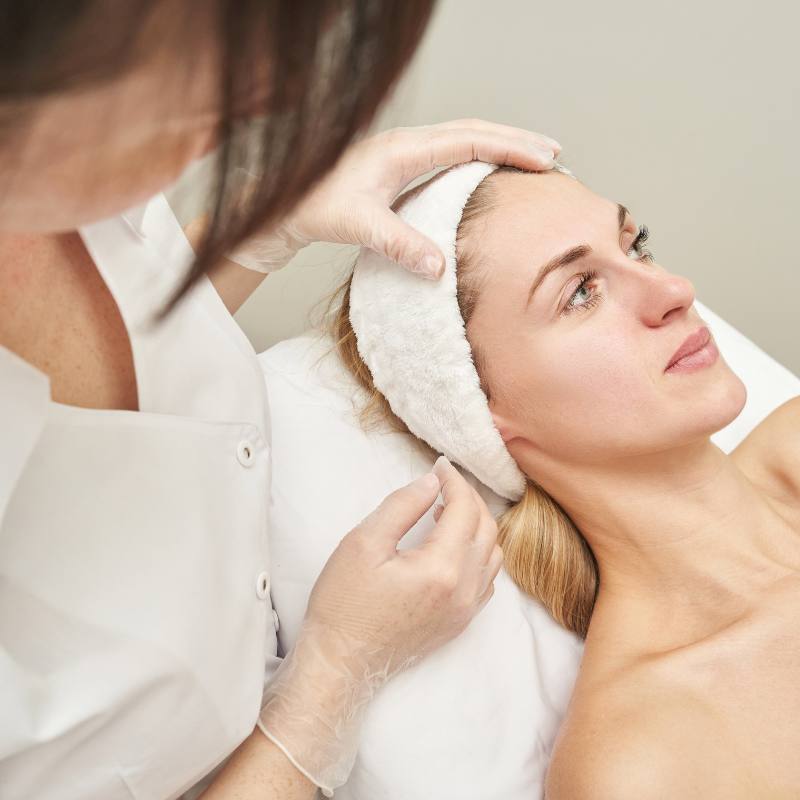
What Does a Treatment Involve?
Treatment begins with a detailed skin assessment to select the most appropriate peel type and strength.
A typical session includes:
- Skin preparation and cleansing
- Controlled peel application
- Neutralisation (if required)
- Post-treatment calming and protection
The procedure is generally well tolerated, with most patients experiencing mild tingling or warmth.
For optimal results, a course of 3–4 sessions spaced several weeks apart is typically recommended. This approach allows for gradual, safe, and cumulative improvement.
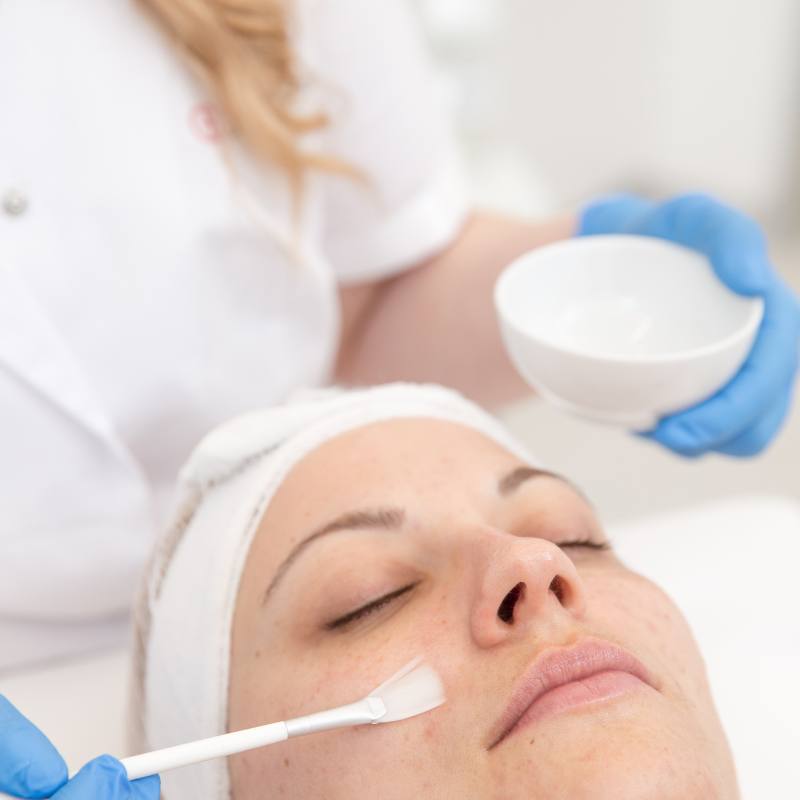
Treatment Pricing
Chemical peels are performed as bespoke treatments following clinical skin assessment.
Single Treatment (Face) – £90
Course of Four Treatments – £330
For enhanced rejuvenation and comprehensive skin improvement:
Additional areas treated in the same session – £30 per area
(Commonly requested areas include the neck and décolletage)
A course of treatments is typically recommended to achieve optimal and sustained results.
Treatment protocols are guided by skin indication, tolerance, and therapeutic response rather than fixed packages.

Arrange a Skin Consultation
All treatments begin with a personalised consultation to ensure suitability, safety, and optimal outcomes.
FAQs About Chemical Peels
Q1: Will my skin visibly peel after treatment?
Not necessarily. Many modern peels produce subtle micro-exfoliation rather than dramatic shedding. Clinical improvement does not depend on visible peeling.
Q2: Are chemical peels safe for sensitive skin?
When correctly selected, yes. Peel type and strength are tailored following skin assessment to ensure tolerance and minimise irritation.
Q3: Is the treatment uncomfortable?
Most patients experience mild tingling or warmth during application. Sensations are temporary and closely monitored.
Q4: How many treatments will I need?
While individual response varies, a course of treatments is typically recommended to achieve progressive and sustained skin improvement.
Q5: Is there any downtime?
Downtime is generally minimal. Temporary redness, dryness, or mild flaking may occur depending on the peel used and skin response.
Q6: Can chemical peels be combined with other treatments?
Yes. Peels are often integrated with medical-grade skincare and regenerative treatments to enhance overall results.
Q7: How do I prepare for a peel?
Preparation depends on your skin type and the peel selected. In most cases, patients are advised to temporarily discontinue potentially sensitising products prior to treatment. This commonly includes retinoids and certain active formulations, including some medical-grade products.
Individual guidance is always provided during consultation to ensure safe and predictable treatment response.
Q8: Who should avoid chemical peels?
Peels may be deferred in cases such as active skin infection, certain inflammatory skin conditions, pregnancy, or recent intensive procedures. Suitability is always assessed clinically.
Q9: What aftercare is required following a chemical peel?
Post-treatment care is essential to support skin recovery and optimise outcomes. Patients are typically advised to apply daily broad-spectrum sunscreen and to avoid excessive heat exposure, including saunas and steam rooms, during the initial recovery period.
Depending on the peel performed, temporary adjustments to skincare routines may be recommended. Additional aesthetic treatments are usually deferred for a short period to allow the skin barrier to fully recover.
Detailed aftercare guidance is provided at the time of treatment.