
Written by Dr Elaine O’Connor-Haq, MB BCh BAO, MPharm, L7Dip(Aes)
Medical Aesthetics Doctor and founder of Bespoke Medical Aesthetics, Colchester
As autumn fades and winter arrives, many of us notice our skin becoming dull, tight, flaky or more reactive. What you may not realise is that winter offers a unique opportunity – a “reset window” to deeply repair, rebuild, and strengthen your skin barrier, hydration, and collagen foundations.
At Bespoke Medical Aesthetics we believe in evidence-based skincare that aligns with seasonal biology. With the right routine and sometimes medical-grade support, winter can be your most skin-productive season yet.
In this post, we’ll explore why winter is ideal for skin repair, the challenges the colder months pose, and a complete winter skin strategy – lifestyle, skincare and clinical, to keep skin healthy, resilient, and radiant, all year-round.
Why Winter Is Actually a Great Time for Skin Repair
Reduced Environmental Stress from ultraviolet radiation (UV)
During winter, UV levels are lower compared with summer months – meaning less day-to-day damage to collagen and antioxidants. With less UV exposure, skin has a better window to regenerate and rebuild underlying structure.
Better Tolerance for Active Ingredients
Many active ingredients – retinoids, exfoliating acids (e.g alpha hydroxy acids – AHAs), resurfacing treatments, and vitamin C, are better tolerated in months when sun exposure is lower. This reduces the risk of pigmentation or sensitivity. This is especially useful for clients beginning retinoid or chemical exfoliant cycles.
Opportunity for Hydration & Barrier Replenishment
Indoor heating, cold air and low humidity often disrupt skin barrier function in winter. If addressed properly, winter becomes a time to restore the lipid matrix and hydration. This give a great “foundation repair phase” before spring.
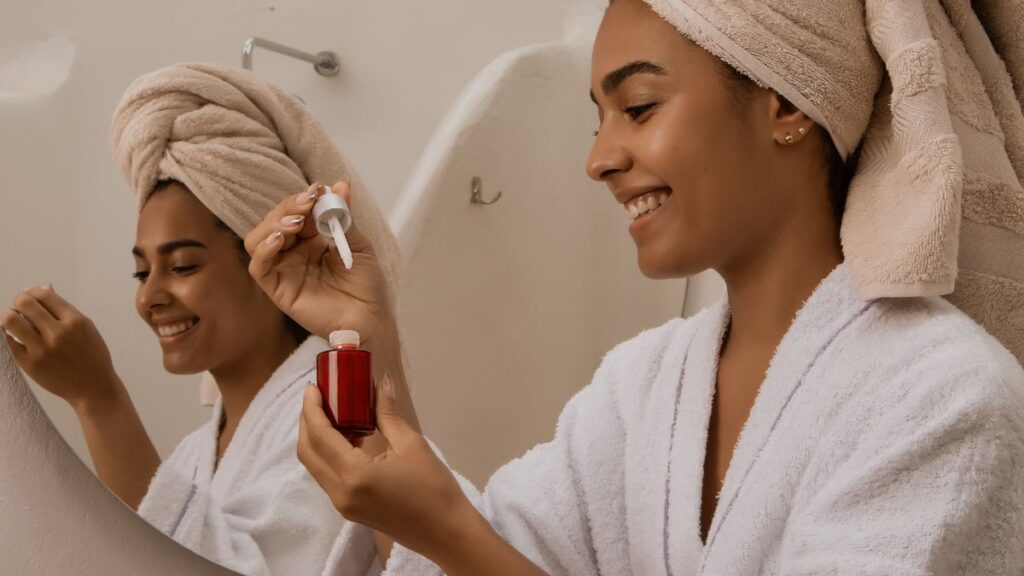
How Winter Affects Skin: The Challenges to Watch Out For
Barrier Lipid Dysfunction & Increased Transepidermal Water Loss (TEWL)
Multiple studies show that cold, dry weather and low humidity reduce skin barrier lipids (ceramides, fatty acids, cholesterol), impairing the barrier’s ability to retain moisture and protect it from irritants.
One study found that skin hydration and lipid content on winter skin was significantly lower than summer, while transepidermal water loss (TEWL) and dryness increased (Wei, K.S. 2016).
A 2015 review concluded that low temperature and low humidity lead to overall decreased barrier function, increased susceptibility to mechanical stress and dermatitis risk (Engebretsen et al., 2016).
A Winter Skin Reset Strategy – How to Protect & Strengthen Your Skin
Here’s a structured plan combining skincare, lifestyle and clinical support to help skin thrive through winter:
Reinforce the Skin Barrier with the Right Skincare Ingredients
Humectants
Humectants such as glycerin, hyaluronic acid, amino acids and urea draw water into the stratum corneum and help maintain hydration in low-humidity environments. Products like Medik8 Hydr8 B5 Intense or Revision Hydrating Serum pair multiple humectants together to optimise this effect.
Barrier Lipids / Emollients
Ceramides, cholesterol, fatty acids and squalane replenish the skin’s natural lipid matrix, which winter weather disrupts. Together, these lipids help strengthen the hydrolipidic barrier and improve elasticity. Revision DEJ Face Cream and Medik8 Advanced Night Restore both use a well-balanced ceramide–cholesterol–fatty acid ratio that supports barrier recovery.
Occlusives
Occlusive ingredients such as shea butter, dimethicone and petrolatum reduce transepidermal water loss (TEWL) by forming a protective layer over the skin. This is especially beneficial at night, when barrier function naturally dips. For clients needing more intensive protection, I often recommend Revision Intellishade TruPhysical (daytime occlusive + SPF) or a ceramide-based night cream paired with a gentle occlusive layer in colder months.
Using all three – humectants, emollients and occlusives, in a layered routine or a well-formulated winter cream offers the most effective barrier support.
Adjust Cleansing & Shower Habits
Use gentle, non-stripping cleansers – avoid harsh surfactants.
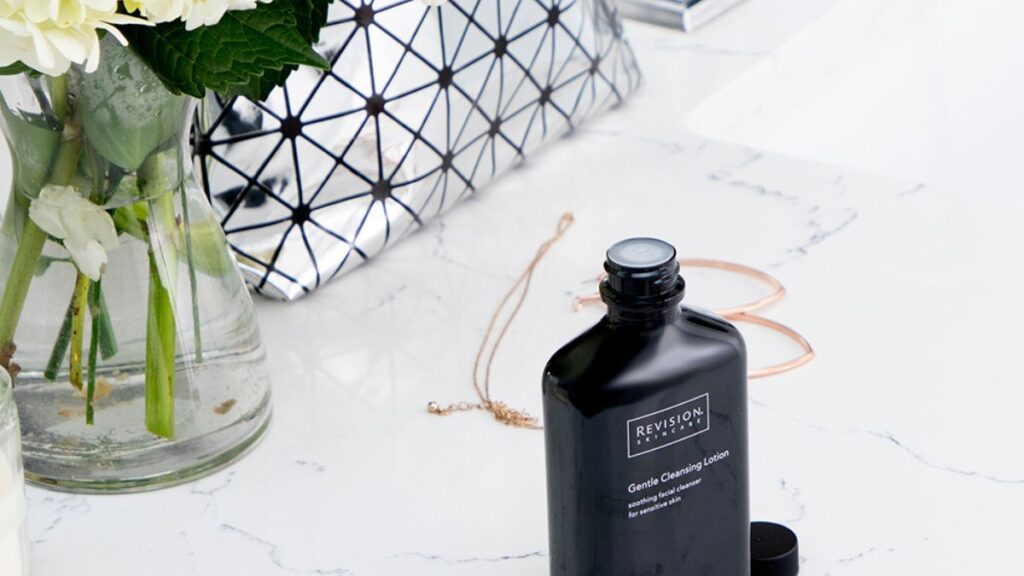
In winter, the skin produces fewer barrier lipids, making it more vulnerable to irritation and transepidermal water loss (TEWL). Cleansers containing strong anionic surfactants – particularly sodium lauryl sulphate (SLS) and sodium laureth sulphate (SLES) are well documented to disrupt lipid bilayers and denature proteins within the stratum corneum of the skin. Instead, look for cleansers formulated with mild surfactant systems such as coco-betaine, decyl glucoside or sodium cocoyl isethionate, which cleanse effectively while preserving barrier integrity. Cream, lotion or gel-to-cream textures are generally more suitable during colder months. Examples include Revision Gentle Cleansing Lotion, Revision Papaya Enzyme Cleanser, Medik8 Cream Cleanse and Medik8 Gentle Cleanse, all of which use gentler surfactants or nourishing bases to minimise barrier disruption.
“Cleansers containing strong anionic surfactants – particularly sodium lauryl sulphate (SLS) and sodium laureth sulphate (SLES) are well documented to disrupt lipid bilayers and denature proteins within the stratum corneum of the skin.”
Avoid long, hot showers or baths.
Hot water increases TEWL by accelerating the removal of intercellular lipids and impairing corneocyte cohesion (which is simply how the outermost skin cells are glued together). Research shows that exposure to high-temperature water measurably compromises barrier function and increases dryness (Herrero-Fernandez, M., 2022). Opt for lukewarm water and keep showers brief to maintain barrier resilience.
Be gentle with your skin post-cleansing.
Avoid rubbing or friction. Pat skin dry instead, and apply moisturiser while the skin is still slightly damp to enhance hydration retention and support barrier recovery.
Add Antioxidants & Collagen-Supportive Actives
Seasonal changes, indoor heating and lower humidity increase oxidative stress, which accelerates collagen breakdown. This makes topical antioxidants essential in winter. Vitamin C – whether in the form of L-ascorbic acid or more stable, lipid-soluble derivatives such as tetrahexyldecyl ascorbate (THD ascorbate) – supports collagen synthesis, improves brightness, and enhances photoprotection when combined with SPF. Stabilised forms like THD ascorbate (found in advanced formulations such as Revision Skincare C+ Correcting Complex 30% and selected Medik8 serums) remain potent for longer and penetrate effectively with lower irritation risk. These work synergistically with other antioxidants including vitamin E, ferulic acid and plant polyphenols to neutralise free radicals and support the skin’s repair response. Retinoids can also continue to support collagen, elasticity and cell turnover during winter, but barrier resilience is often lower in colder months (Kafi, R. et al., 2007). Choosing formulations that combine retinoids with barrier-supportive ingredients can significantly improve tolerability. Encapsulated retinols, retinaldehyde, or retinol paired with soothing actives like bakuchiol (as used in the Revision Retinol range) offer evidence-based results with a reduced irritation profile. Layering retinoids with moisturisers containing ceramides, cholesterol, fatty acids or squalane helps maintain barrier integrity while preserving the collagen-boosting benefits.
Use Treatments & Clinical Support Strategically
Colder, lower-UV months create an ideal window for treatments that hydrate, support dermal quality and contribute to long-term collagen banking. In clinic, I often see the best winter results with:
Hyaluronic acid (HA) skin boosters (including Profhilo, Skinvive or other HA-based hydrators): these improve elasticity, radiance and overall dermal hydration.
Polynucleotides: evidence suggests they stimulate fibroblast activity, support tissue regeneration and improve fine lines, texture and under-eye quality.
Collagen stimulating injectables (e.g. HArmonyCa): helpful for crepiness, dullness and laxity.
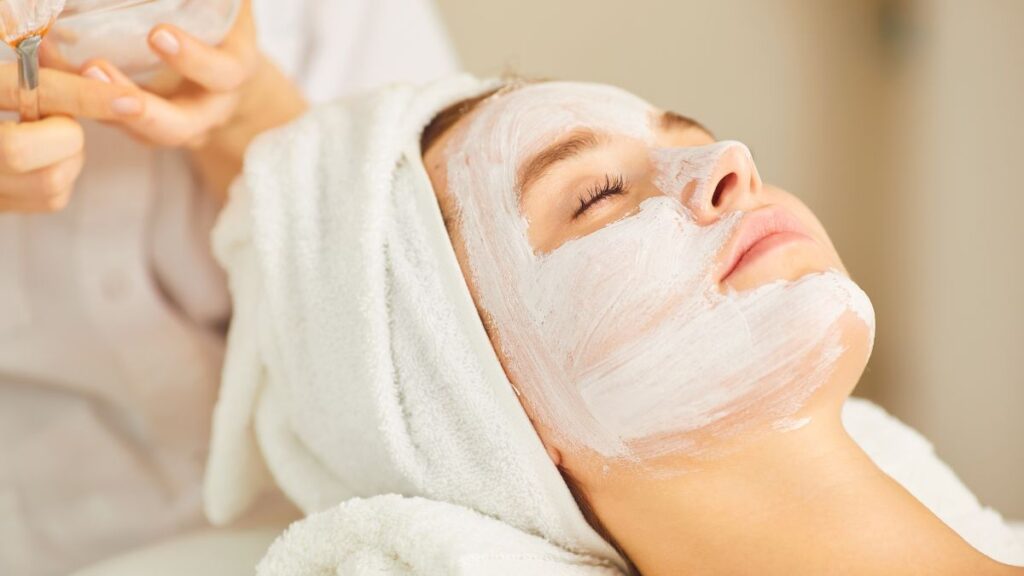
Gentle resurfacing such as NeoStrata chemical peels, lactic acid peels or enzyme-based exfoliation: These encourage brightening and smoother texture with minimal downtime and reduced pigmentation risk in winter.
Lifestyle & Internal Support for Longevity & Skin Health
Winter places additional stress on both the skin barrier and the immune–inflammatory axis, so internal habits matter as much as topical care. Hydration from water and hydrating foods (e.g., citrus fruits, berries, cucumber, soups) helps maintain intracellular water balance.
Nutrient-rich meals containing omega-3 fatty acids, vitamin C, copper, zinc, magnesium and amino acids support collagen formation, reduce inflammation and stabilise barrier function. These dietary principles align closely with longevity medicine, where internal metabolic health directly influences visual ageing.
Restorative sleep and stress regulation modulate cortisol, which in excess weakens the skin barrier and accelerates collagen degradation through matrix metalloproteinases (MMPs). Using a humidifier or placing a bowl of water near radiators adds moisture back to dry indoor air, improving barrier resilience and reducing TEWL.
Why This Approach Fits With Collagen Banking & Longevity Medicine
At Bespoke Medical Aesthetics, we see skin health as part of a wider longevity pathway, where internal biology and external skin quality evolve together over time. Protecting and rebuilding collagen isn’t only a cosmetic goal; it reflects deeper processes linked to cellular ageing, inflammation and metabolic balance.
A resilient skin barrier and optimal hydration help maintain the collagen you already have by reducing environmental damage and preventing excessive enzymatic breakdown. Antioxidants, balanced nutrition, good sleep and stable stress hormones minimise oxidative stress – one of the key drivers of accelerated collagen loss and biological ageing.
Seasonal, evidence-based interventions such as skin boosters, bio-remodellers and medical-grade skincare further support dermal quality by stimulating fibroblasts and enhancing the extracellular matrix without altering natural facial structure. Winter is an ideal window for this work: by resetting and strengthening the skin now, you enter 2026 with a healthier baseline and better collagen trajectory.
This philosophy sits at the core of collagen banking. (You can read more in my dedicated collagen banking blog.) It also connects to our longevity services, including biological age testing via IgG glycosylation – a research-backed measure of systemic inflammation and immune ageing. Understanding your true biological age can guide tailored changes in lifestyle, skincare and treatment planning, helping you improve not just how your skin looks, but how your body is ageing on the inside.
This integrated approach of combining internal health optimisation, barrier repair, targeted skincare actives, lifestyle strategy and precise injectables is what defines a longevity-informed aesthetic practice. It’s a smarter, future-focused way to help you age well.
Practical Winter Skin Reset Checklist
| STEP | WHY IT MATTERS |
| Gentle, non-stripping cleansing (once/twice daily) | Preserves natural lipids & reduces TEWL |
| Humectant + emollient + occlusive layering | Restores moisture and lipid barrier due to cold, dry air |
| Antioxidant serum + SPF if outdoors | Prevents oxidative stress and UV-driven collagen breakdown |
| Avoid long hot showers; use lukewarm water | Prevents hot-water-induced barrier damage and TEWL increase |
| Use humidifier + drink enough water | Maintains ambient & internal hydration |
| Consider medical-grade skincare or skin boosters | Supports hydration, dermal quality, collagen banking |
| Nutrient-rich diet + sleep + stress management | Supports internal repair and skin longevity |
Why You Should Treat This Winter as a Skin Reset
Winter skin challenges – dryness, dullness, barrier breakdown aren’t just cosmetic. When left unaddressed, they accelerate visible ageing, loss of elasticity, pigmentation issues and compromised dermal quality.
The winter time also offers a unique opportunity, an annual reset. A chance to rebuild, strengthen, hydrate and optimise your skin – under expert guidance.
At Bespoke Medical Aesthetics, we combine clinical knowledge, medical-grade products and a longevity-minded philosophy to help you emerge from winter with stronger, healthier, more resilient skin.
If you’d like a personalised winter skin reset plan tailored to your skin type, lifestyle and goals, you’re welcome to book a consultation via our website.
FAQ About Winter Skin
Q1. Why does my skin get so dry and irritated in winter?
Cold air, low humidity, and indoor heating rapidly increase transepidermal water loss (TEWL), pulling moisture out of the stratum corneum. At the same time, the skin produces fewer lipids in colder temperatures, weakening the skin barrier. This combination leads to dryness, flaking, irritation, tightness, and sensitivity – especially in people with eczema-prone or naturally dry skin.
Q2. What is the best winter skincare routine for dry or sensitive skin?
A winter routine should focus on hydration, barrier lipids and protection:
Use a gentle, non-stripping cleanser (avoid SLS/harsh foaming surfactants).
Apply a hydrating serum with humectants (glycerin, hyaluronic acid, amino acids).
Seal with a moisturiser containing ceramides, cholesterol, fatty acids or squalane.
Add antioxidants in the morning for environmental protection.
If using retinoids, buffer with barrier creams to minimise irritation.
Q3. Should I change my cleanser or moisturiser in cold weather?
Yes. Winter typically requires more cushioning and less stripping products.
Look for cleansers labelled:
“gentle,” “non-foaming,” “cream,” “milk,” or “hydrating.”
Moisturisers should ideally include:
humectants (glycerin, urea, hyaluronic acid),
emollients (squalane, ceramides, fatty acids),
occlusives for sealing hydration (dimethicone, shea butter, petrolatum).
This combination restores barrier function and reduces TEWL. At Bespoke Medical Aesthetics we stock medical grade skincare such as Revision Skincare and Medik8 that protects and builds your skin barrier.
Q4. Which skincare ingredients help repair the skin barrier in winter?
Key barrier-supportive ingredients include:
Ceramides: these help to replenish the lipids that hold skin cells together.
Fatty acids and cholesterol: these rebuild the hydrolipid barrier.
Hyaluronic acid and glycerin: to draw moisture into the skin.
Niacinamide: improves barrier function and reduces inflammation.
Squalane: mimics natural sebum to smooth and soften.
Revision and Medik8 offer several formulations incorporating these ingredients, ideal for winter repair.
Q5. How can I prevent transepidermal water loss (TEWL) in winter?
To reduce TEWL:
Use humectants and lipids together. Humectants pull water in and lipids keep it in.
Apply moisturiser within 1–2 minutes after cleansing to trap moisture.
Avoid long hot showers, which significantly increase TEWL.
Add a humidifier indoors to counteract dry central heating.
Use occlusives (dimethicone, petrolatum, shea butter) as a final step in severe dryness.
Q6. What treatments are best for winter skin (e.g., Profhilo, Polynucleotides, skin boosters)?
Winter is the best time for collagen-supportive and hydration-boosting treatments because UV levels are lower and the skin is less inflamed.
Evidence-based winter favourites include:
Profhilo: boosts hydration and stimulates collagen + elastin through bioremodelling.
Polynucleotides: improves skin quality, elasticity and under-eye crepiness.
Skinvive / HA skin boosters: increases skin plumpness and luminosity.
Neostrata chemical peels: refines texture, brightens skin and supports cell turnover.
These treatments help counteract dryness and help to maintain collagen integrity during colder months.
Q7. Is winter a good time for collagen-boosting treatments?
Yes, winter is the optimal time for collagen banking.
Lower UV exposure means:
-Less risk of pigmentation
-Better healing environment
-Reduced inflammation
-Stronger, more predictable collagen response
This makes winter the ideal period for:
-Skin boosters
-Bio-remodellers
-Retinoids
-AHAs (if appropriate)
-Polynucleotides
-Light chemical resurfacing
Q8. Do I still need to wear sunscreen in winter in the UK?
Absolutely. UVA, the wavelength responsible for collagen breakdown and photoageing is present all year, even on cloudy or rainy days.
Up to 95% of UV reaching the skin in winter is UVA, which penetrates deeply into the dermis and accelerates collagen degradation.
Daily SPF is a key part of:
-Collagen banking,
-Preventing pigmentation,
-Reducing inflammation,
-Slowing biological ageing of the skin.
References:
Engebretsen, K.A., Johansen, J.D., Kezic, S., Linneberg, A. & Thyssen, J.P., 2016. The effect of environmental humidity and temperature on skin barrier function and dermatitis. Journal of the European Academy of Dermatology and Venereology, 30(2), pp.223–249. doi:10.1111/jdv.13301. Available at: https://pubmed.ncbi.nlm.nih.gov/26449379/ [Accessed on 1 December 2025]
Herrero-Fernandez, M., Montero-Vilchez, T., Diaz-Calvillo, P., Romera-Vilchez, M., Buendia-Eisman, A. & Arias-Santiago, S., 2022. Impact of water exposure and temperature changes on skin barrier function. Journal of Clinical Medicine, 11(2), p.298. doi:10.3390/jcm11020298. Available at: https://pubmed.ncbi.nlm.nih.gov/35053992/ [Accessed on 3 December 2025]
Kafi, R., Kwak, H.S.R., Schumacher, W.E., Cho, S., Hanft, V.N., Hamilton, T.A., King, A.L., Neal, J.D., Varani, J., Fisher, G.J., Voorhees, J.J. & Kang, S., 2007. Improvement of naturally aged skin with vitamin A (retinol): a randomized controlled trial. Archives of Dermatology, 143(5), pp.606–612. doi:10.1001/archderm.143.5.606. Available at: https://pubmed.ncbi.nlm.nih.gov/17515510/ [Accessed on 3 December 2025]
Wei, K.S., Stella, C., Wehmeyer, K.R., Christman, J., Altemeier, A., Spruell, R., Wimalasena, R.L., Fadayel, G.M., Reilman, R.A., Motlagh, S., Stoffolano, P.J., Benzing, K. & Wickett, R.R., 2016. Effects of season on stratum corneum barrier function and skin biomarkers. Journal of Cosmetic Science, 67(3), pp.185–203. Available at: https://pubmed.ncbi.nlm.nih.gov/29394019/ [Accessed on 3 December 2025]